Summary
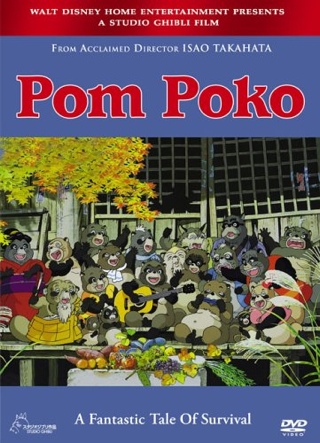
Isao Takahata's outré ecological fable "Pom Poko" was the no. 1 domestic film in Japan in 1994, and the first animated feature to be submitted for the Oscar for Foreign Language Film. In 1967, the raccoons in the Tama Hills find their homes are threatened with destruction when developers turn the rural area into suburbs. Under the leadership of their tribal elders the animals fight back with every resource at their disposal. Raccoons are shape-shifters in Japanese folk tales, and the members of this tribe can transform into objects, other creatures and even humans.
Unlike Takahata's deeply moving "The Grave of the Fireflies", "Pom Poko" (the sound made by thumping the tummy of a comfortably full raccoon) is a broad comedy. The raccoons' efforts to understand humans, their evocations of traditional ghost stories to frighten construction crews, and their internecine quarrels offers plenty of laughs. But the story rambles, and the characters lack the depth needed to sustain the audience's interest until the film's belated, downbeat conclusion. The extras include Takahata's storyboards, which are interesting, but lack the magic of Hayao Miyazaki's drawings on other Studio Ghibli discs. Note: male raccoons have prominent testicles, which are shown in Japanese art, including the designs for "Pom Poko". When the characters grow desperate, they swell their scrotums to enormous size and use them as weapons. (Rated PG, Parental Guidance Suggested: violence, scary images and thematic elements) "--Charles Solomon"